Solar Panel Installation in Haddon Township, NJ
Make your energy costsfeel less unpredictable.
A thoughtfully designed solar system can support better savings and long-term property value.
When electric bills keep moving in the wrong direction, solar can give homeowners and business owners a clearer way to think about long-term energy costs. The real value comes from a system planned around the property itself: how much power it uses, how the roof receives sunlight, and whether the design can support practical savings over time.
We’re Working with





Solar Planning for Haddon Township Homes and Businesses
Haddon Township is not the kind of place where every roof tells the same story. Walkable blocks in Westmont, older homes near established trees, properties closer to Cooper River, and commercial spaces along busier local corridors can all create different solar design questions.
That local mix matters for solar panel installation in Haddon Township. A smaller roof section may need a more precise panel layout, while a property with tree shade near Cooper River may require closer production modeling before the system size is finalized. Impact Solar brings licensed New Jersey installation experience, NABCEP-certified leadership, U.S.-made equipment, and support after the system is active.
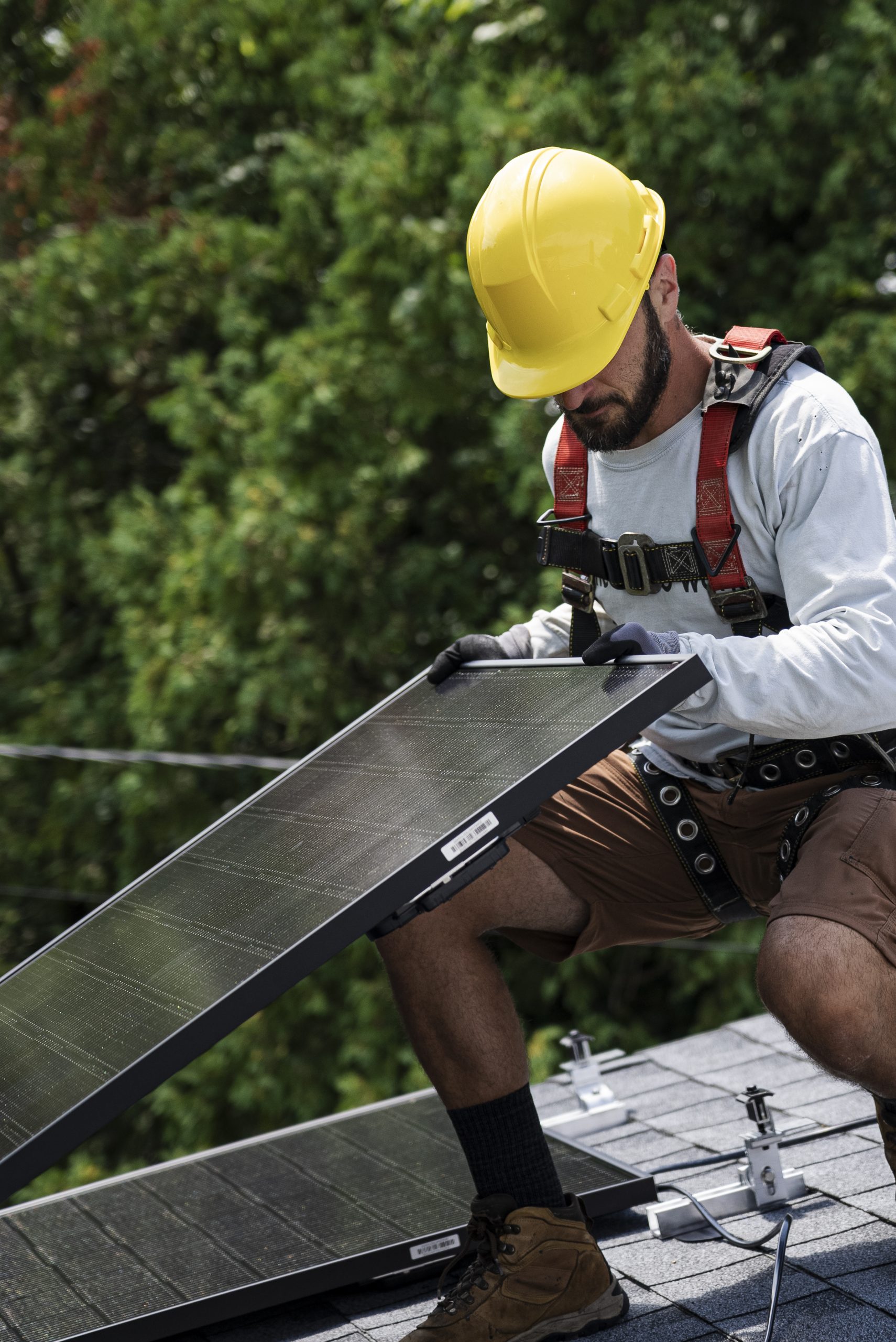
"I am very happy with my experience with Impact Solar." — What Haddon Township Homeowners Are Saying About Impact Solar
This whole crew is extremely professional and dedicated to the work they do and amazing customer service. I would have no issues recommending Impact Solar to my own family.
I am 100% satisfied with my decision.
Bijal A

I recently had solar panels installed by Impact Solar, and I cannot recommend them highly enough. From start to finish, the entire process was professional, transparent, and remarkably efficient.
Manu M

Impact Solar was fantastic! I came in knowing exactly what I wanted, and Jeff, Michelle, and Shawn worked with me to customize the perfect design for my needs. I couldn’t be happier and highly recommend them!
Ernesto P

Our experience with Impact Solar LLC was characterized by a consistently high level of professionalism and clear communication from start to finish. We would highly recommend Impact Solar LLC to others.
Stansbury R

Our Process
How Your Solar Project Moves From Evaluation to Activation
01.
Property Review and Energy Usage Assessment
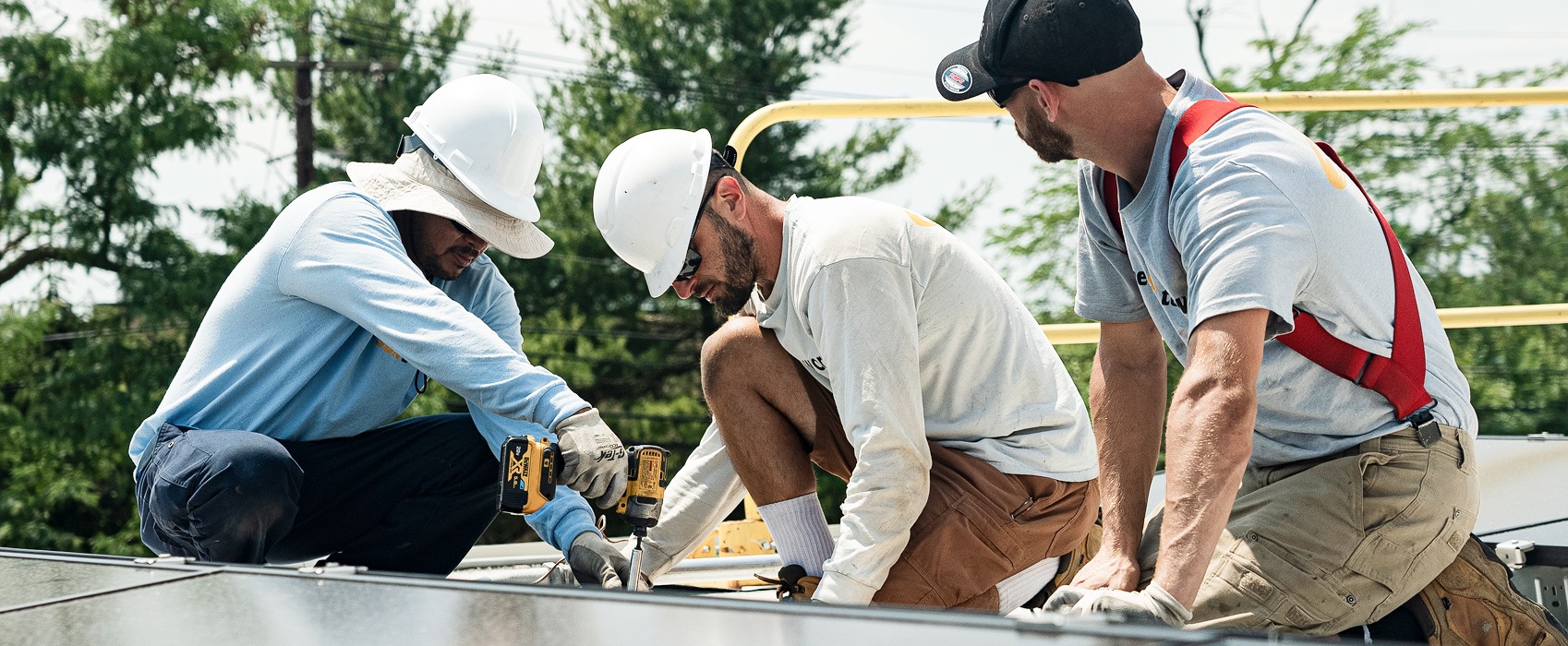
Every project starts with the conditions that are already there. We review roof age, orientation, shade, electrical capacity, and prior utility usage so the recommendation reflects the building rather than a generic production estimate.
02.
Custom Solar Design Based on Your Roof and Goals
The design stage turns those site details into a practical system plan. Roof shape, panel placement, expected output, and energy offset goals all guide how the system is built, especially when usable roof space needs to be planned carefully.
03.
Permit Preparation and Utility Coordination
Before the system can be installed and activated, the project has to move through documentation, permit preparation, utility applications, and approval steps. We manage those details so the process stays organized from the early review through final approval.
04.
Solar Panel Installation and Electrical Connection
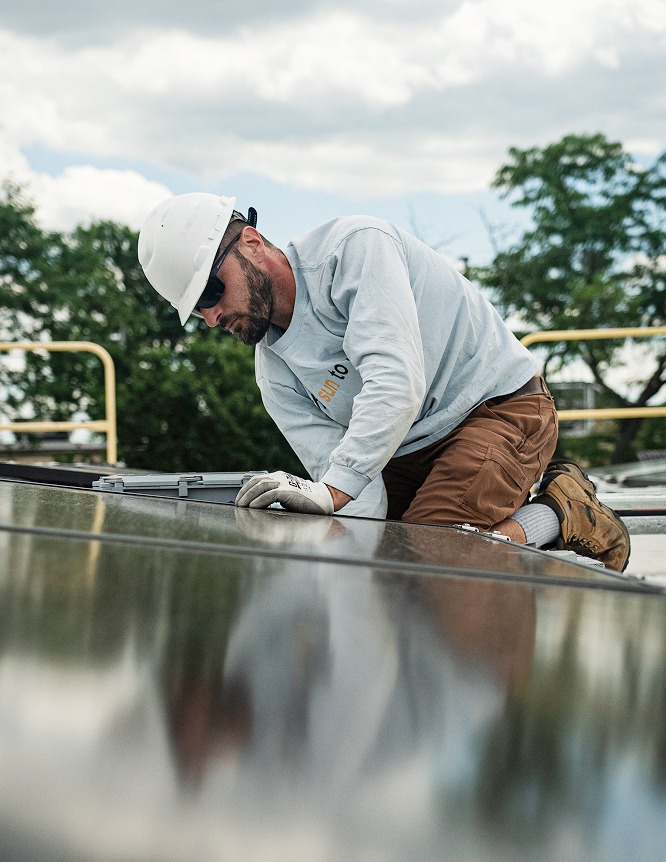
After approvals are in place, our licensed installers complete the racking, panel placement, inverter setup, and electrical connection. The installation is completed according to New Jersey requirements and the specific conditions at the property.
05.
Final Inspection and Permission to Operate
The system must pass final inspection and receive utility approval before it can begin producing power. Once permission to operate is granted, the installation can be activated.
How Utility Interconnection and Net Metering Support Long-Term Savings
Solar works best when the system is connected to the grid correctly and production is credited properly. Interconnection allows the property to use solar power when available, draw electricity from the utility when needed, and send surplus production back when output is higher than current demand.
Under New Jersey’s net metering structure, that surplus energy may become utility bill credits. Those credits can support stronger long-term savings when the system is designed around realistic usage and production expectations.
Solar Systems for Residential and Commercial Properties
A residential property and a commercial building rarely use power the same way. Homes may see demand rise around evenings, weekends, heating, cooling, and appliance use. Businesses may use more electricity during operating hours, with lighting, equipment, refrigeration, office systems, or other daily demands shaping the load.
In Haddon Township, that difference can show up quickly. A home near a shaded residential street, a Westmont storefront, and a larger building closer to surrounding Camden County routes all need their own planning logic. Similar roof and shade questions can come up in Haddonfield, where older homes and established neighborhoods can also influence system layout.
Residential Solar Panel Installation
Homeowners need a system that fits the roof without ignoring how the household actually uses electricity. Residential solar systems are planned around available roof space, sun exposure, electrical usage, and the level of savings the homeowner wants to pursue. In Haddon Township, that can mean extra attention to smaller roof sections, mature trees, and the way nearby structures affect sunlight.
Commercial Solar Panel Installation
A business solar project has to make sense for the way the property operates. Commercial solar can help reduce overhead, create more predictable energy spending, and support a stronger long-term cost structure. For local businesses, system sizing may depend on daytime usage, roof or ground space, electrical capacity, and whether energy costs are a major part of monthly operating expenses.
What Shapes Solar Installation Costs in Haddon Township
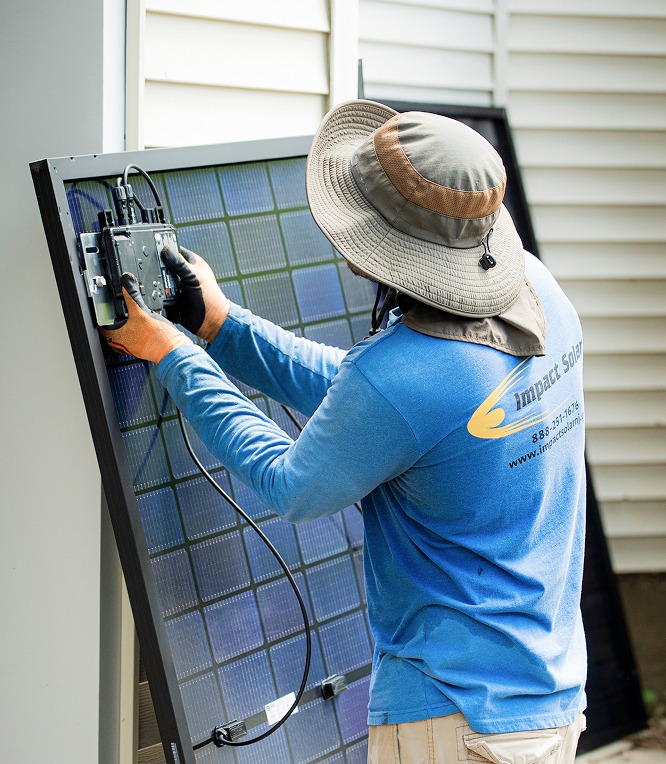
Solar pricing depends on the system size, site conditions, equipment choices, and electrical work required to support the installation. Two properties with similar energy goals can still need very different project scopes if the roof layout, shade, or electrical setup is different.
In Haddon Township, cost planning may be shaped by older roof structures, narrower roof planes, tree shade, and the balance between usable space and desired energy offset. Some of these same variables appear across Camden County, but the final proposal still has to be built around the specific property. When we prepare an estimate, we evaluate factors such as:
- The system capacity needed based on current electricity usage
- Roof pitch, orientation, layout, and usable installation area
- Shade from mature trees, nearby buildings, or surrounding structures
- The age, condition, and capacity of the existing electrical setup
- The panel and inverter equipment selected for the project
- Optional upgrades such as battery storage or expanded monitoring tools
Financing Options and Payment Flexibility
Payment structure can influence how comfortable the project feels from the start. Some owners prefer a direct purchase, while others want financing that spreads the cost over time. We explain the available paths clearly so you can compare upfront cost, monthly payment structure, projected savings, and long-term value.
Solar Incentive Programs That Can Improve Project Value
Solar value is shaped by more than installation cost alone. Depending on the structure of the project and the programs available when the system moves forward, New Jersey incentive programs may help improve the overall financial picture.
We review relevant opportunities during the planning stage so you can evaluate the system with a better understanding of expected production, project cost, and potential long-term value.
Equipment Selection, System Output, and Warranty Coverage
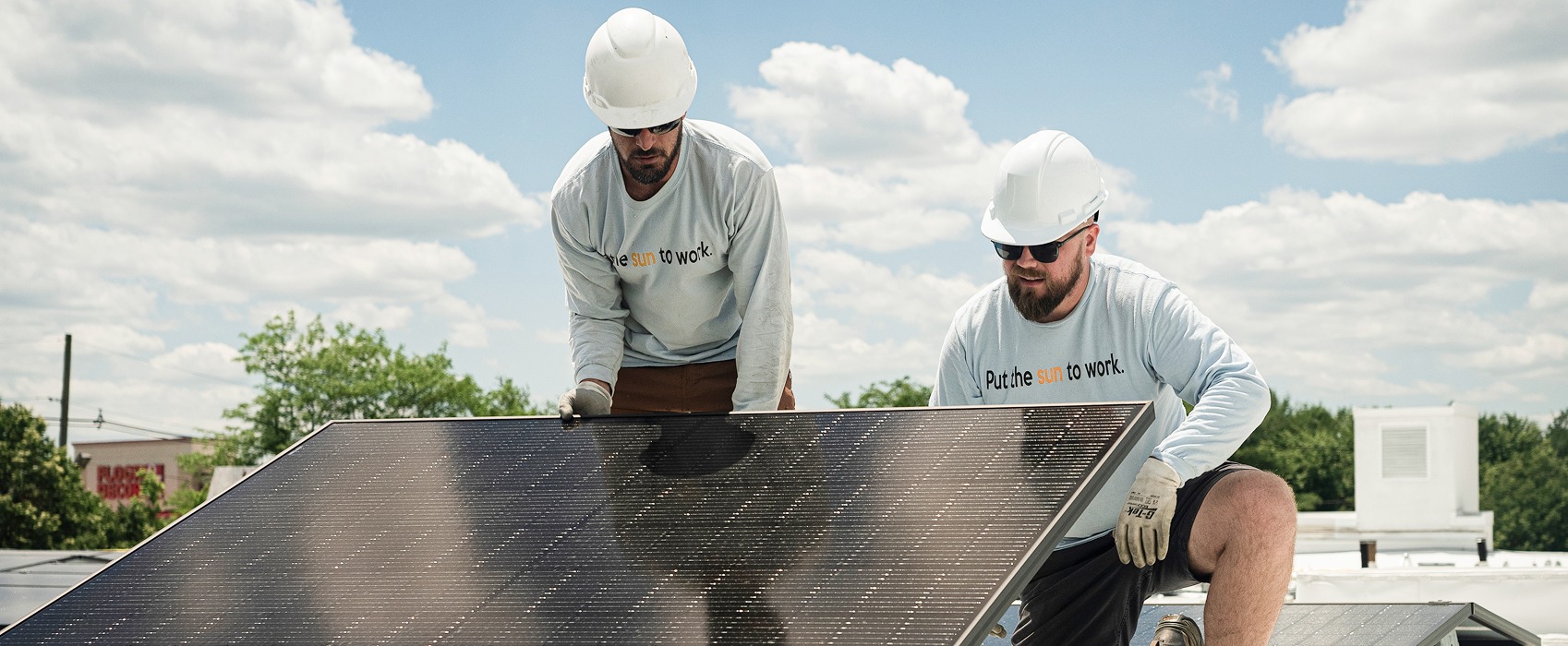
Strong system output depends on how the technical pieces work together. Panel quality matters, but so do inverter strategy, roof geometry, shading conditions, electrical configuration, and monitoring access.
That planning becomes especially important for properties near established tree cover or rooflines with limited usable space. In areas connected by the Cooper River corridor, including parts of Pennsauken, shade and roof layout can change what a realistic system should look like from one property to the next. Your system planning takes into account:
- Panel specifications tied to production goals, durability, and long-term output expectations
- Inverter design based on roof layout, shade patterns, and electrical configuration
- Monitoring access that helps track production behavior and identify unusual system changes
- Storage-ready planning when future battery integration may be part of the long-term strategy
Warranty details are explained clearly so you understand what is protected at the equipment level, what falls under workmanship coverage, and how that protection applies over time.
Monitoring, Repair Help, and Support When Something Changes
A solar system should not need constant attention, but performance visibility still matters. Monitoring can help show whether the system is producing as expected and make it easier to spot changes that fall outside normal seasonal variation.
If support is needed, that may include:
- Reviewing monitoring data when production drops unexpectedly
- Troubleshooting inverter, wiring, or component-related issues
- Addressing output changes that fall outside normal seasonal patterns
- Removing and reinstalling panels when roof work is being completed
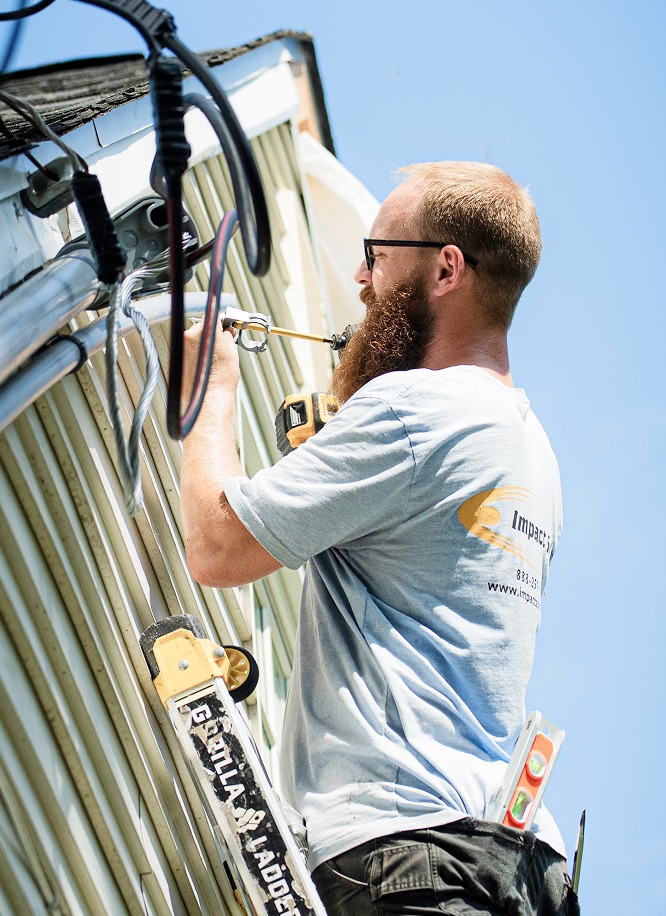
When production changes after storms, roof work, equipment issues, or unexpected output drops, we can review the system data, evaluate the equipment, and provide solar repair help based on the actual issue.
Why Haddon Township Property Owners Choose Impact Solar
A solar project should come with clear expectations, not a proposal that leaves you decoding assumptions. Property owners need realistic production guidance, direct communication, quality equipment, and an installer who understands how site conditions affect long-term performance.
Here’s why homeowners and business owners trust us for solar panel installation:
Honest guidance without pressure-heavy sales tactics
Clear cost and savings projections based on real property conditions
Direct communication with a local team involved in the project
Fully licensed New Jersey installer led by a NABCEP-certified professional
U.S.-made equipment selected for durability and long-term value
25-year equipment and workmanship protection
Ongoing support if your system ever needs attention after installation
Ready to power your home for less?
What Homeowners Are Saying
Helping Haddon Township & Other New Jersey Communities Go Solar
← scroll to see more →
- Atlantic County
- Absecon
- Atlantic City
- Brigantine
- Egg Harbor Township
- Galloway Township
- Hamilton Township (Mays Landing)
- Hammonton
- Linwood
- Pleasantville
- Somers Point
- Fair Lawn
- Fort Lee
- Garfield
- Hackensack
- Lodi
- Mahwah
- Paramus
- Ridgewood
- Teaneck
- Wyckoff
- Burlington County
- Burlington Township
- Columbus
- Chesterfield Township
- Cinnaminson
- Delran
- Evesham Township (Marlton)
- Florence Township
- Hainesport
- Lumberton Township
- Marlton
- Maple Shade
- Medford
- Moorestown
- Mount Laurel
- Mt. Holly
- Willingboro
- Camden County
- Audubon
- Barrington
- Cherry Hill
- Collingswood
- Gloucester Township
- Haddon Heights
- Haddon Township
- Haddonfield
- Lindenwold
- Manahawkin
- Pennsauken
- Runnemede
- Somerdale
- Voorhees Township
- Winslow Township
- Cape May County
- Avalon
- Dennisville
- Sea Isle City
- Stone Harbor
- Ocean City
- West Cape May
- Woodbine
- Wildwood
- Cumberland County
- Bridgeton
- Commercial Township
- Deerfield Township
- Downe Township
- Fairfield Township
- Greenwich Township
- Hopewell Township
- Lawrence Township
- Maurice River Township
- Millville
- Shiloh
- Stow Creek Township
- Upper Deerfield Township
- Vineland
- Woodbine
- Belleville
- Bloomfield
- East Orange
- Irvington
- Livingston
- Montclair
- Newark
- Nutley
- Orange
- West Orange
- Gloucester County
- Deptford Township
- Franklin Township
- Glassboro
- Gloucester Township
- Harrison Township (Mullica Hill)
- Mantua
- Monroe Township (Williamstown)
- Paulsboro
- Sewell
- Swedesboro
- Washington Township
- West Deptford
- Woodbury
- Clinton
- Flemington
- High Bridge
- Lambertville
- Lebanon Township
- Raritan Township
- Readington
- Tewksbury
- Union Township
- West Amwell
- East Brunswick
- Edison
- Metuchen
- Monroe Township
- New Brunswick
- Old Bridge
- Perth Amboy
- Piscataway
- Sayreville
- South Brunswick
- Woodbridge Township
- Monmouth County
- Asbury Park
- Freehold Township
- Hazlet
- Holmdel
- Howell
- Long Branch
- Manalapan
- Marlboro
- Middletown
- Wall Township
- Denville
- Dover
- Madison
- Montville
- Morris Township
- Morristown
- Mount Olive
- Parsippany-Troy Hills
- Randolph
- Roxbury
- Ocean County
- Berkeley Township
- Brick Township
- Jackson Township
- Lacey Township
- Lakewood
- Little Egg Harbor
- Manchester
- Point Pleasant
- Stafford Township (Manahawkin)
- Toms River
- Clifton
- Hawthorne
- Little Falls
- Passaic
- Paterson
- Pompton Lakes
- Ringwood
- Totowa
- Wayne
- West Milford
- Salem County
- Alloway Township
- Carneys Point Township
- Elmer
- Elsinboro Township
- Lower Alloways Creek Township
- Mannington Township
- Oldmans Township
- Penns Grove
- Pennsville Township
- Pilesgrove Township
- Pittsgrove Township
- Quinton Township
- Salem
- Upper Pittsgrove Township
- Woodstown
- Bernards Township
- Bound Brook
- Branchburg
- Bridgewater
- Franklin Township (Somerset)
- Hillsborough
- Montgomery
- North Plainfield
- Somerville
- Warren
- Cranford
- Elizabeth
- Hillside
- Linden
- Plainfield
- Rahway
- Roselle
- Scotch Plains
- Union Township
- Westfield
Local Solar Questions Worth Asking Before You Commit
Are solar panels a good fit for older homes in Haddon Township?
They can be, but the roof condition and electrical setup should be reviewed first. Older homes may still be strong solar candidates when the structure, wiring, sun exposure, and system design all support the installation.
Can solar work well for Haddon Township homes with smaller roof sections?
Yes, but the design needs to be more precise. Smaller roof sections may limit panel placement, so production goals, shade, roof direction, and equipment choices need to be reviewed carefully.
What should Haddon Township business owners compare before installing solar?
Business owners should compare current electricity usage, available roof or ground space, electrical capacity, operating cost goals, and how much daytime demand the system may be able to offset.
Does tree shade near Cooper River or established neighborhoods affect solar output?
Yes. Tree shade can reduce solar production depending on the time of day, season, and roof layout. A site review helps determine whether shade can be managed through panel placement, inverter strategy, or system design.
Start With a Solar Plan Built Around Your Property
A better solar decision starts with the details that make your property different. Roof space, shade, electrical demand, and long-term goals all shape what the system should be expected to do. For Haddon Township homes and businesses, that means building the plan around the property first, then deciding whether solar is the right next step.