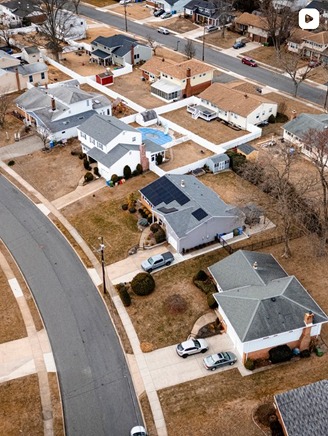
Solar Panel Installation in East Windsor, NJ
Energy costs can be easier to manage. The right solar system can bring stronger savings and long-term value.
A thoughtful solar project can do more than lower monthly utility bills.
We’re Working with





"I am very happy with my experience with Impact Solar." — Real Experiences From Homeowners Who Made the Switch
This whole crew is extremely professional and dedicated to the work they do and amazing customer service. I would have no issues recommending Impact Solar to my own family.
I am 100% satisfied with my decision.
Bijal A

I recently had solar panels installed by Impact Solar, and I cannot recommend them highly enough. From start to finish, the entire process was professional, transparent, and remarkably efficient.
Manu M

Impact Solar was fantastic! I came in knowing exactly what I wanted, and Jeff, Michelle, and Shawn worked with me to customize the perfect design for my needs. I couldn’t be happier and highly recommend them!
Ernesto P

Our experience with Impact Solar LLC was characterized by a consistently high level of professionalism and clear communication from start to finish. We would highly recommend Impact Solar LLC to others.
Stansbury R

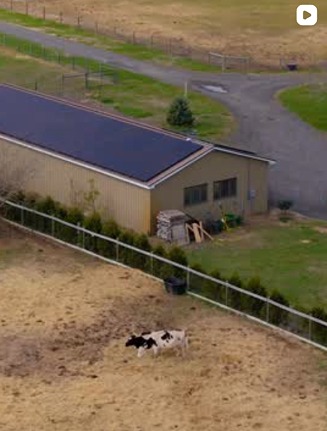
Solar Solutions Designed for East Windsor Properties
A solar project can do more than reduce what you pay each month. When it is planned around the way a property actually uses power, it can create a steadier long-term energy strategy, improve cost predictability, and add stronger long-term value.
The hardest part of going solar is often not the technology itself. It is figuring out whether the proposal reflects the property, the budget, and the outcome you actually want. That is why our process stays focused on clarity before anything else.
For property owners considering solar panel installation in East Windsor, NJ, that means recommendations built around real site conditions, practical production goals, and a project plan that remains understandable from the first review through final activation. As a licensed New Jersey installer led by a NABCEP-certified professional, we stay involved throughout the process and remain available after the system is live.
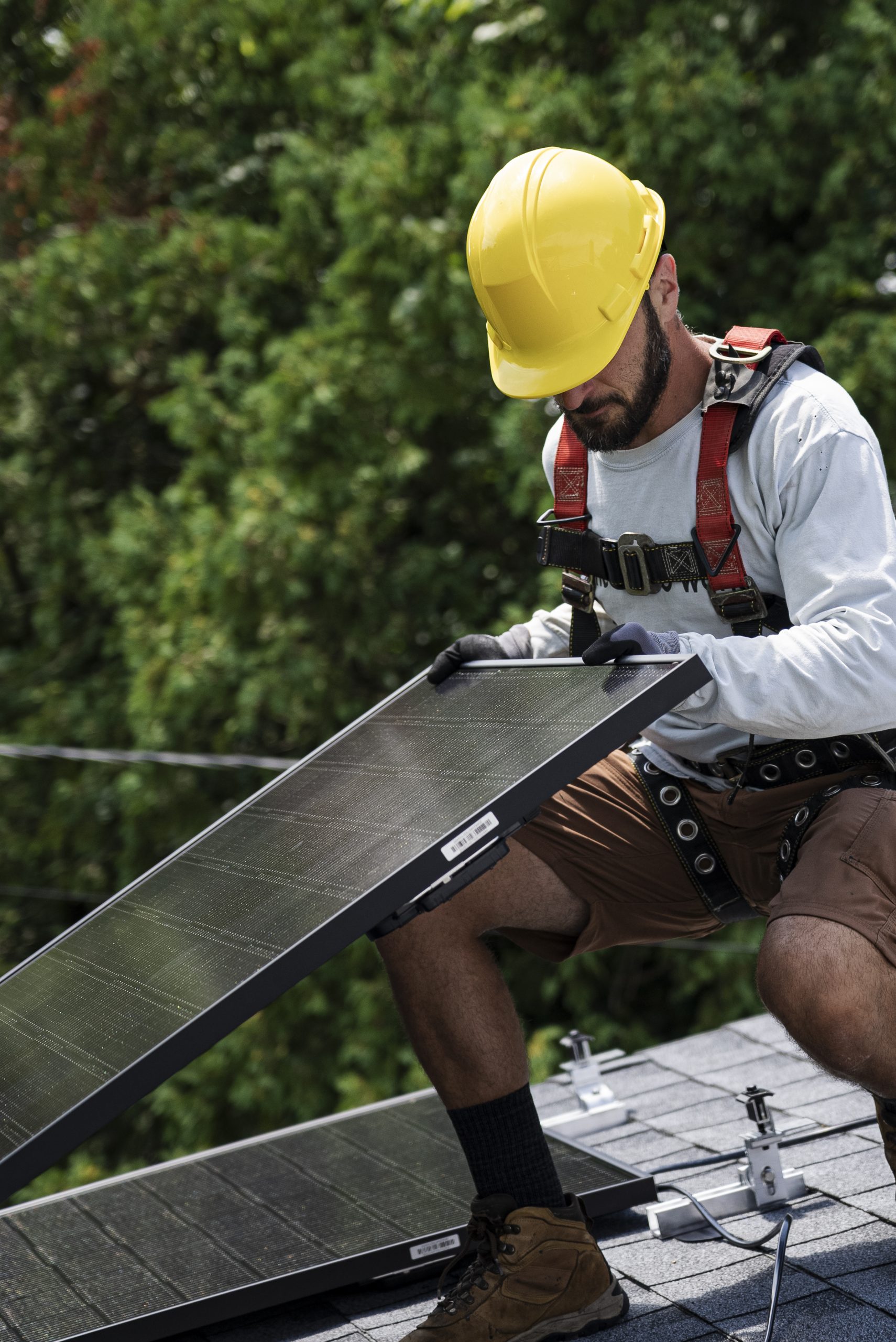
Our Process
How a Solar Installation Moves From Planning to Power
01.
Property Review and Energy Usage Analysis
We begin by evaluating how the property performs today, including roof condition, sun exposure, electrical capacity, and prior energy usage. That gives us the information needed to determine whether solar is a strong fit and what kind of system makes sense.
02.
Custom Solar Design for Your Roof and Goals
Once the site details are clear, we shape the system around the roof layout, expected production targets, and the long-term value you want the project to create. The goal is a system that fits the property instead of forcing the property into a standard package.
03.
Permit Handling and Utility Coordination
Our team manages the permitting process, required utility applications, and approval steps needed to keep the project progressing without unnecessary confusion or delay.
04.
Professional Panel Installation and Electrical Work
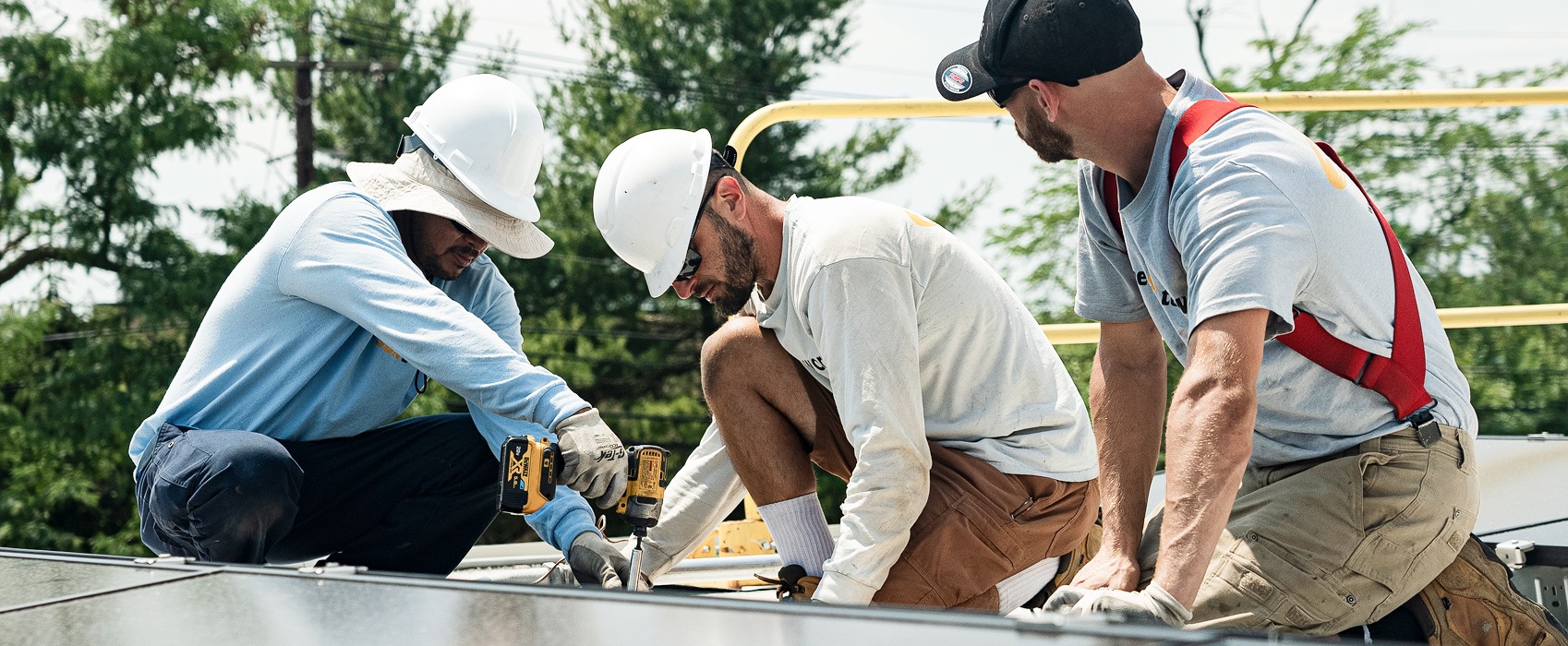
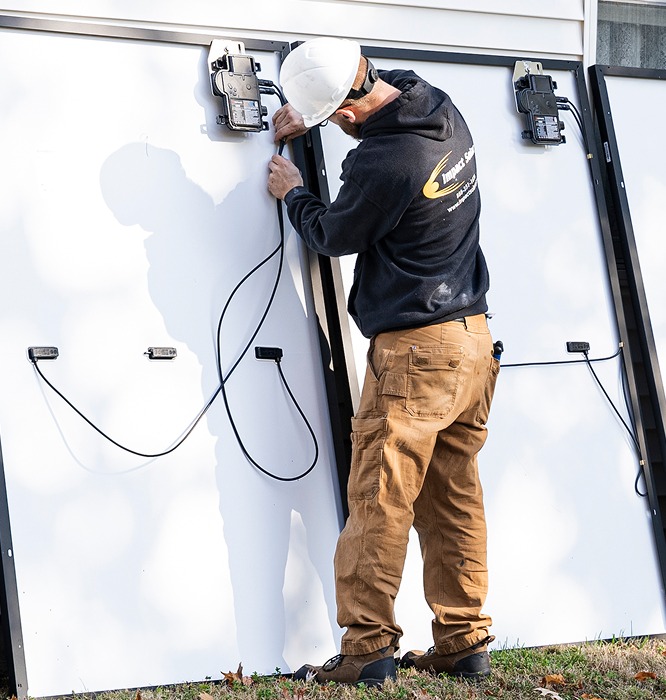
After approvals are secured, our licensed installers complete the panel mounting, inverter setup, and electrical work needed to connect the system according to New Jersey requirements and the conditions at the site.
05.
Final Inspection and Approval to Operate
The final step is inspection and utility signoff. Once that approval is in place, the system can be activated and begin producing power for the property.
How Net Metering and Utility Interconnection Support Savings
A solar system becomes more valuable when it is connected properly and excess production is credited the way it should be. After the project is approved, the system moves through utility interconnection so the property can draw electricity when needed and return surplus production when solar output is higher than current demand.
Under New Jersey’s net metering structure, that surplus energy can become utility bill credits that support stronger long-term savings. We coordinate those steps with the utility company so the connection is handled correctly before the system goes live.
Solar Systems for Homes and Commercial Properties
A good solar strategy depends on the type of building involved and the role energy costs play in how that property operates. A single-family home, office building, retail site, or mixed-use property can all require a different planning approach, even when the goal is similar.
Property owners in Robbinsville Township, Hamilton, and West Windsor often weigh many of the same questions about offset potential, cost predictability, and whether a system is being sized in a way that actually matches the property.
Residential Solar Installation
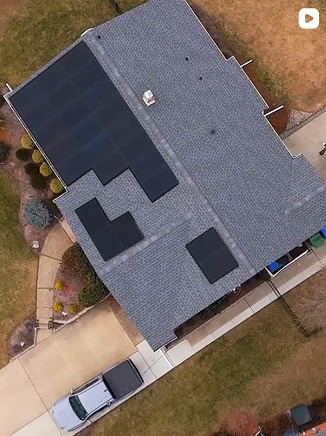
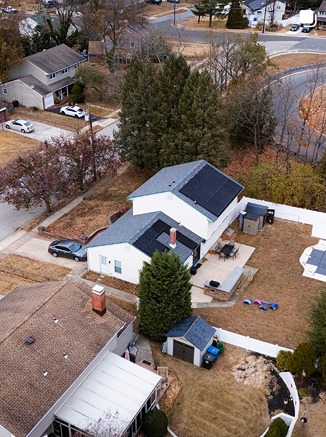
Our residential solar systems are planned around household energy patterns, viable roof space, and the level of savings the homeowner wants to pursue over time.
Commercial Solar Installation
With commercial solar, businesses can reduce operating costs, create more consistency in monthly utility spending, and build a stronger long-term cost structure.
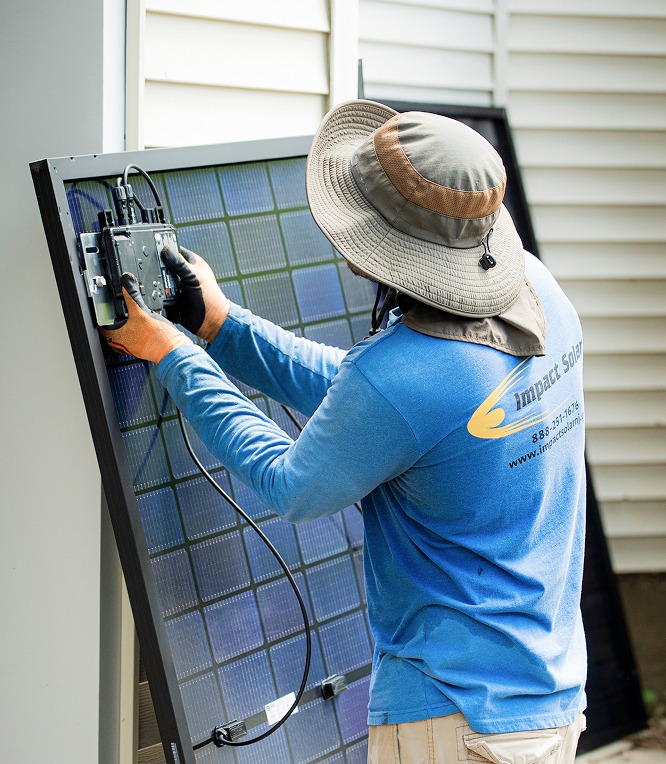
What Affects Solar Installation Costs in East Windsor
Solar pricing is shaped by the property itself, the amount of electricity you want the system to offset, and the equipment needed to support that goal. When we prepare an estimate, we evaluate factors such as:
- The amount of system capacity needed based on current electricity usage
- Roof pitch, layout, and usable installation area
- Shade from nearby trees, structures, or other site conditions
- The condition and capacity of the existing electrical setup
- The panel and inverter equipment selected for the project
- Optional upgrades such as battery storage or expanded monitoring tools
Financing Options and Payment Flexibility
Some owners want to pay for the project upfront, while others prefer financing that spreads costs over time. We explain those paths clearly so you can compare payment structure, budget impact, and projected savings before making a decision.
Incentives That Can Improve Overall Solar Value
The long-term value of a solar project is shaped by more than the equipment alone. Depending on the structure of the installation and the programs available when the project moves forward, New Jersey incentive programs may improve the overall financial return. We review those opportunities during planning so you can make the decision with a fuller picture of total value.
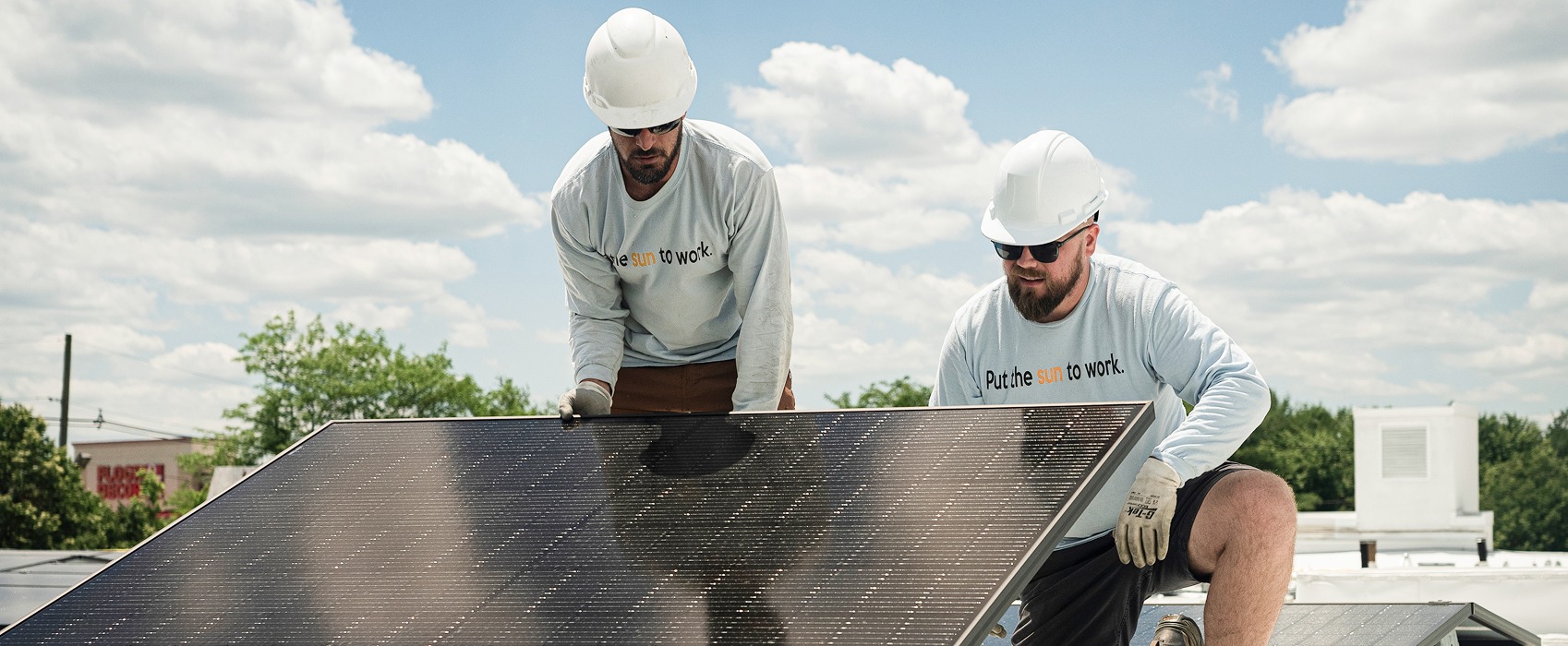
Panel Quality, System Output, and Warranty Coverage
System output depends on how the major technical components are selected and how well they match the property. Roof geometry, shading conditions, inverter strategy, and electrical layout all influence how effectively production is captured and how consistently the system performs over time.
Your system planning takes into account:
- Panel specifications tied to production targets, durability, and long-term output expectations
- Inverter design based on roof layout, shading patterns, and electrical configuration
- Monitoring access that helps track production behavior and spot unusual system changes
- Storage-ready design considerations when future battery integration may matter later
Coverage details are documented clearly so you can understand what is protected at the equipment level, what falls under workmanship support, and how that coverage applies over time.
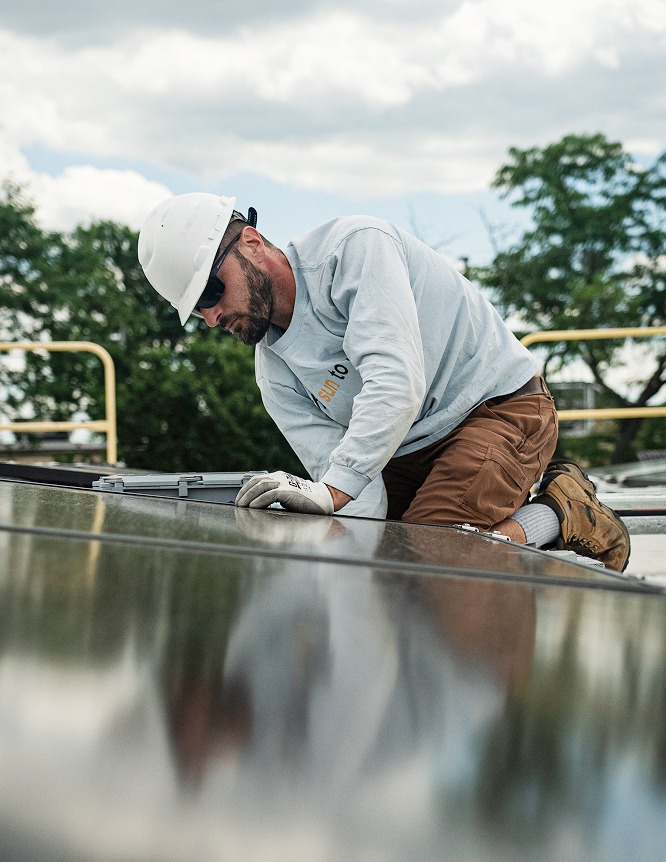
Monitoring, Maintenance, and Repair Support After Installation
Solar systems are built to operate with very little ongoing attention, but it still helps to know what support looks like if output or equipment behavior changes.
If support is needed, that may include:
- Reviewing monitoring data when production patterns shift unexpectedly
- Troubleshooting inverter, wiring, or component-related issues
- Addressing output drops that fall outside normal seasonal changes
- Removing and reinstalling panels when roof work is being completed
If the system is not performing the way it should, we can review what the equipment and monitoring data are showing and provide solar repair support based on the actual issue.
Why East Windsor Property Owners Choose Impact Solar
Most property owners are not just comparing solar estimates. They are also trying to avoid a process that feels vague, rushed, or built around pressure instead of planning. We built our approach around clearer communication, more realistic recommendations, and work that still holds up after the installation is complete.
Here’s why homeowners and business owners trust us for solar panel installation:
Honest guidance without pressure-heavy sales tactics
Clear cost and savings projections based on real property conditions
Direct communication with a local team involved in the project
Fully licensed New Jersey installer led by a NABCEP-certified professional
U.S.-made equipment selected for durability and long-term value
25-year equipment and workmanship protection
Ongoing support if the system ever needs attention after installation
What Homeowners Are Saying
Areas We Serve Near East Windsor
We work with property owners in and around East Windsor who want a clearer way to evaluate solar before committing to a project. Whether the property is residential, commercial, or still in the early planning phase, we help owners understand the process, the technical considerations, and the long-term value behind the system.
What to Review Before Choosing a Solar System
How long does the solar installation process usually take?
The on-site installation itself is often completed within a few days, but the full timeline depends on permitting, utility approvals, and the overall scope of the project. We explain those steps clearly upfront so the schedule is easier to understand.
Will solar panels still work well during colder months?
Yes. Solar panels continue generating electricity during colder months. Production levels can change with available sunlight, but cold temperatures by themselves do not prevent the system from producing power.
Should I replace my roof before moving forward with solar?
That depends on the roof’s age, condition, and remaining useful life. We review those factors early so you can decide whether it makes sense to move forward now or address roof work first.
How much maintenance does a solar system need over time?
In most cases, very little. System performance can be monitored remotely, and if something changes or stops working the way it should, we can help identify the issue and determine what needs attention.
Start With a Solar Plan That Fits the Way You Use Energy
A better solar decision starts with better information. If you want a clearer understanding of what a properly planned system could do for your property, we can review the site, explain the options, and help you decide whether moving forward makes sense.