Solar Panel Installation in Atlantic County, NJ
A better solar project starts with clearer planning, not a harder sales pitch.
A thoughtful solar project can do more than lower monthly utility bills.
Solar panel installation in Atlantic County should be approached as a property-specific energy project, not a generic package. The strongest results come from careful planning, realistic cost expectations, and a system that matches how the building is actually used over the course of the year.
We’re Working with





"I am very happy with my experience with Impact Solar." — Real Experiences From Homeowners Who Made the Switch
This whole crew is extremely professional and dedicated to the work they do and amazing customer service. I would have no issues recommending Impact Solar to my own family.
I am 100% satisfied with my decision.
Bijal A

I recently had solar panels installed by Impact Solar, and I cannot recommend them highly enough. From start to finish, the entire process was professional, transparent, and remarkably efficient.
Manu M

Impact Solar was fantastic! I came in knowing exactly what I wanted, and Jeff, Michelle, and Shawn worked with me to customize the perfect design for my needs. I couldn’t be happier and highly recommend them!
Ernesto P

Our experience with Impact Solar LLC was characterized by a consistently high level of professionalism and clear communication from start to finish. We would highly recommend Impact Solar LLC to others.
Stansbury R

Better Solar Planning for Homes, Businesses, and Shore Properties
Atlantic County brings together very different kinds of solar projects. A full-time residence, a shore property used seasonally, and a commercial building with steady daytime demand do not need the same approach, even if they sit under the same sun. Good planning starts by separating those differences instead of flattening them into one sales pitch.
That is where Impact Solar takes a different approach. We stay involved from the design stage all the way through activation, so the project is guided by people who understand the property rather than by a handoff-heavy sales process. As a licensed New Jersey installer led by a NABCEP-certified professional, our team builds around real site conditions in Atlantic County and nearby communities like Egg Harbor Township, where occupancy patterns, roof layout, and exposure can change the right system design.
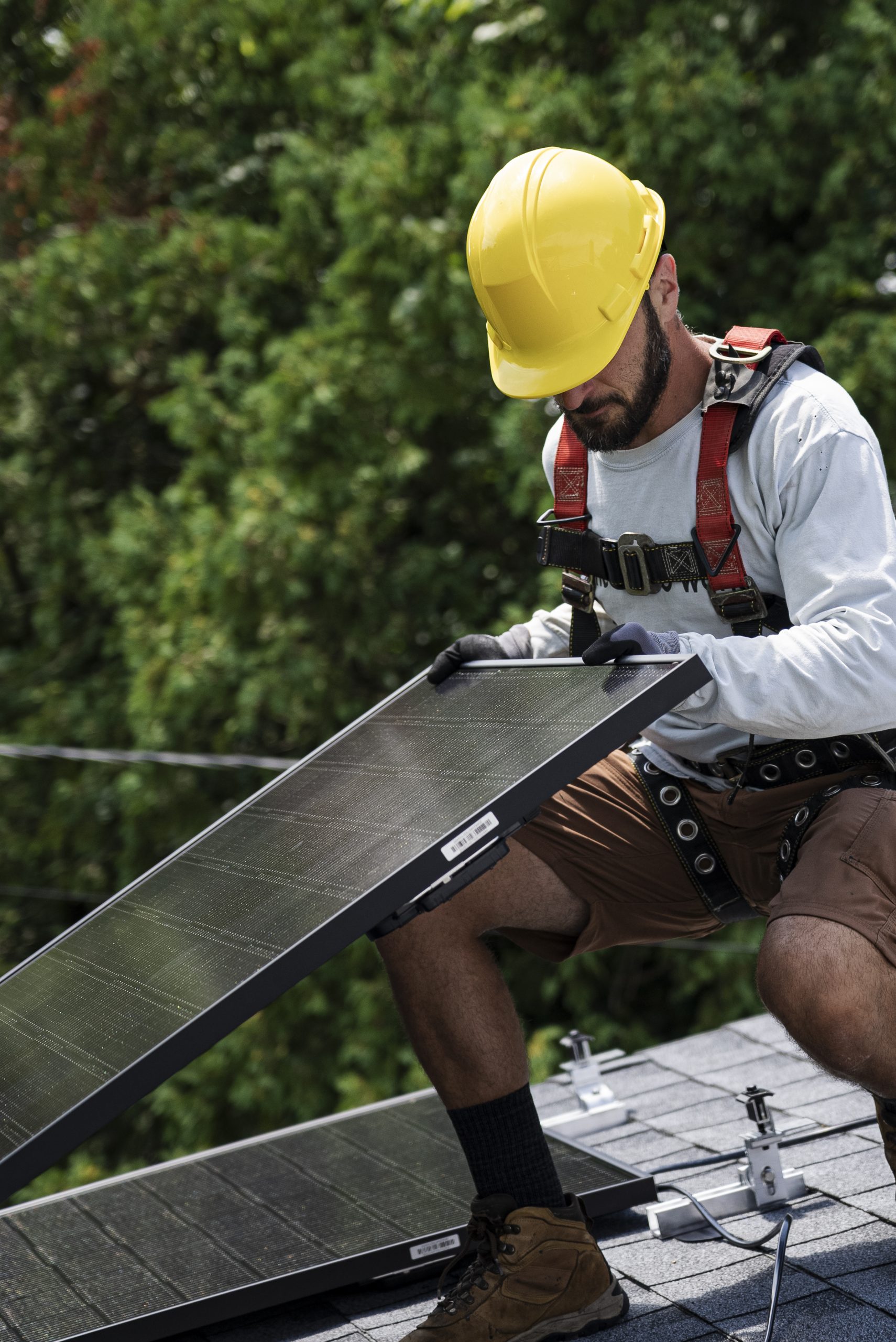
Our Process
How the Process Unfolds From First Review to Final Turn-On
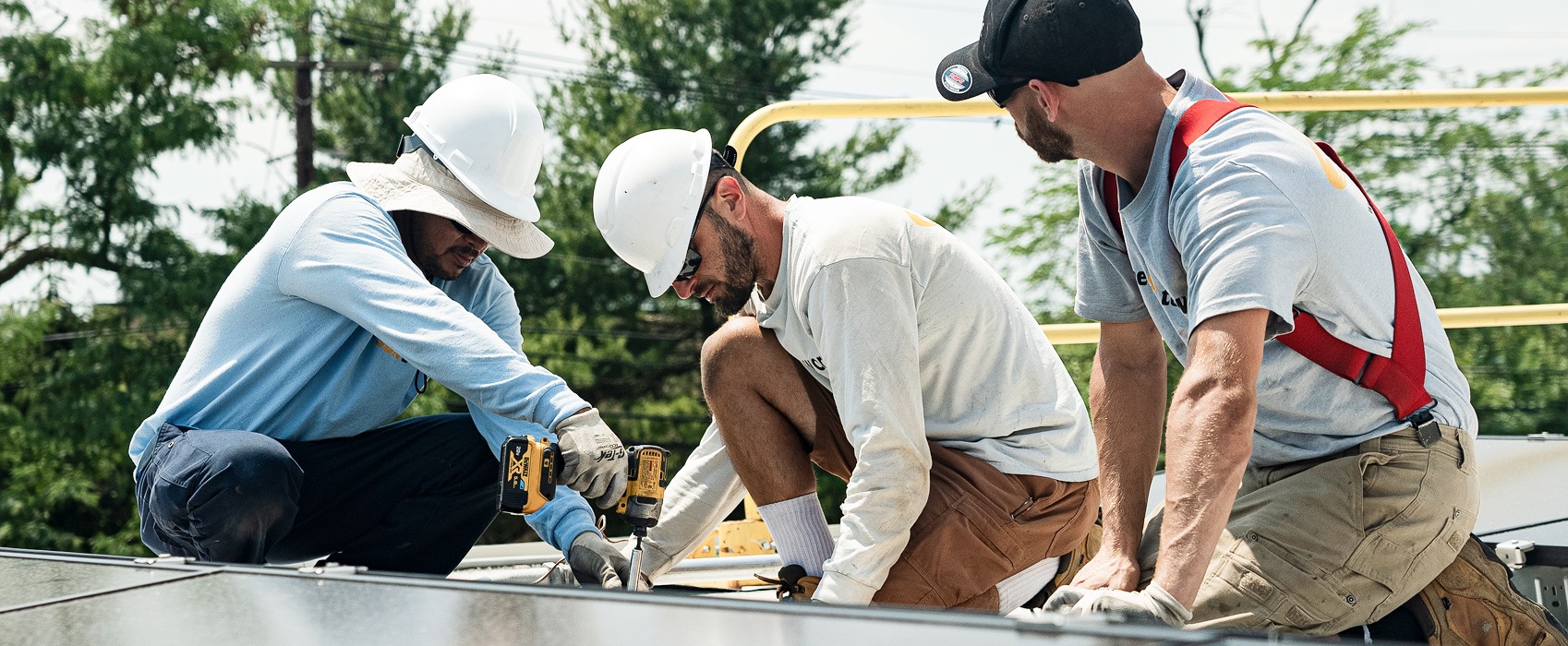
01.
Property Evaluation and Electricity Usage Review
The first step is understanding the building, not jumping straight to panel count. We look at the roof, the available sun, the electrical setup, and past utility usage to see how the property behaves before any design decisions are made.
02.
Custom System Design Based on Real Site Conditions
From there, the project moves into design. The layout, expected production, inverter approach, and expansion flexibility are all mapped around the site itself so the system is built for the property instead of squeezed into a preset model.
03.
Permits, Approvals, and Utility Coordination
Once the design is ready, we handle the administrative side that often slows projects down. That includes permit submission, utility coordination, and the approval steps required before installation can move ahead.
04.
Solar Installation and Electrical Connection
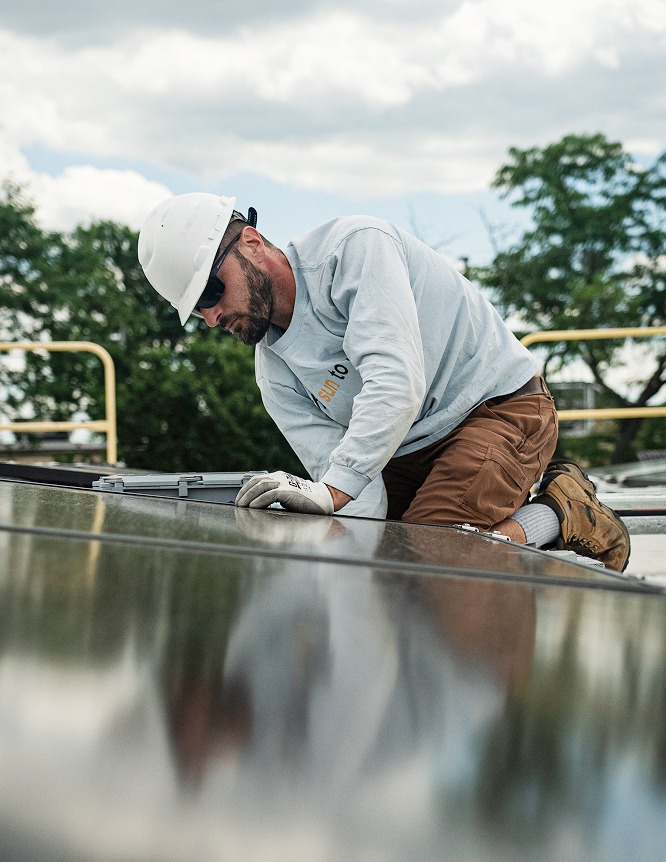
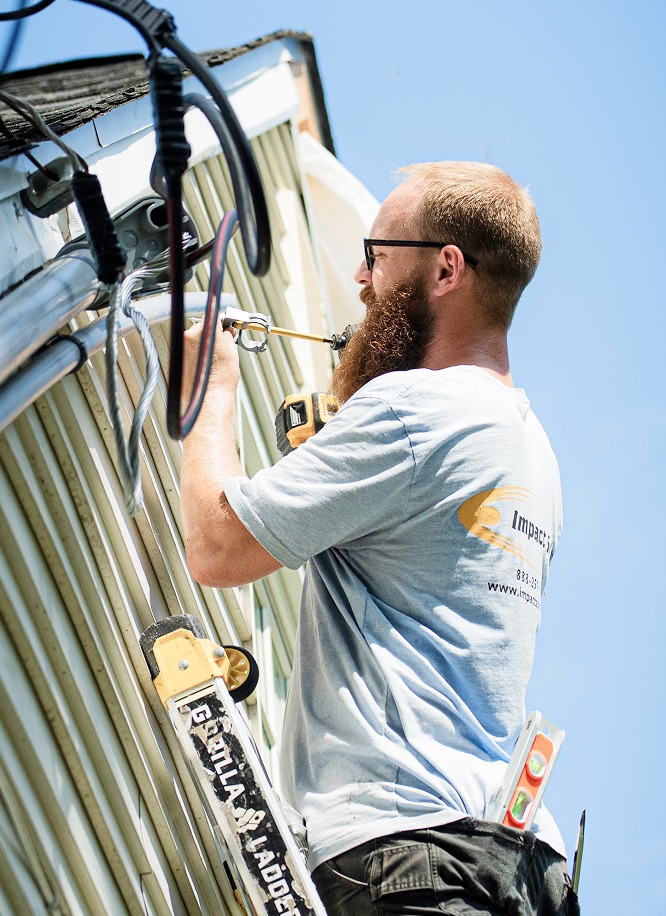
The installation phase is where the plan becomes a working system. Our team completes the racking, panel placement, wiring, and electrical connection with attention to safety, code compliance, and long-term durability.
05.
Final Inspection and Permission to Operate
Before the system can start producing usable power, it has to clear final inspection and utility authorization. After that last approval is in place, the system can be turned on and begin reducing the amount of electricity the property pulls from the grid.
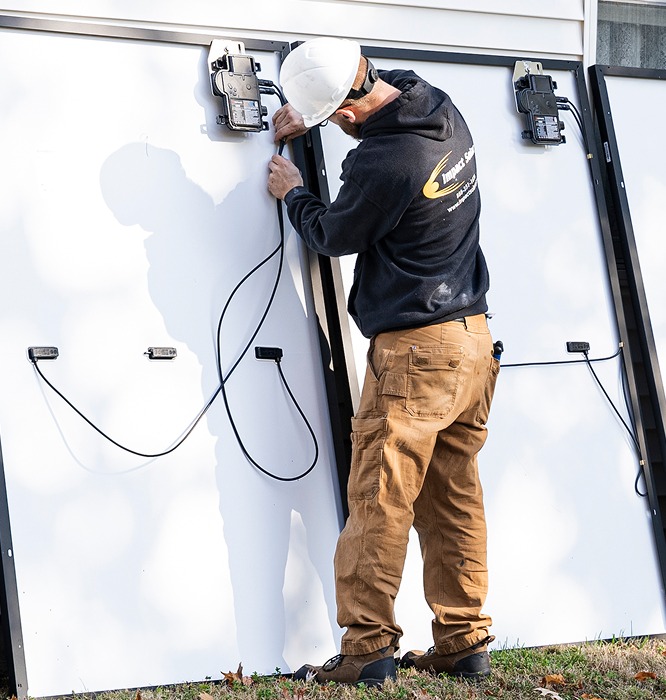
How Net Metering Helps Turn Solar Production Into Real Savings
Solar does not need to produce every kilowatt at the exact moment the building uses it to create value. Once the system is interconnected with the utility, excess production can flow back to the grid and return to the account as bill credits under New Jersey net metering rules. That is what helps solar output translate into meaningful savings over time, especially on properties where occupancy or daily demand can fluctuate.
Solar Options for Residential and Commercial Properties
The type of building changes the conversation. Some projects are meant to stabilize utility costs for a household. Others are meant to make a business less exposed to rising energy overhead. That is why we approach residential solar and commercial solar with different planning priorities instead of forcing both into the same framework.
Residential Solar Installation
Residential projects are usually centered on household consumption, usable roof area, and how the home is occupied. In a primary residence, the focus may be monthly bill reduction. On a seasonal property, the stronger question is how the system should be sized around the way the home is actually used throughout the year.
Commercial Solar Installation
Commercial projects are shaped more heavily by operating schedules, daytime demand, and long-term cost control. The goal is to build a system that works with the way the property earns revenue or supports operations, not one that looks good on paper but fails to line up with how the building runs.
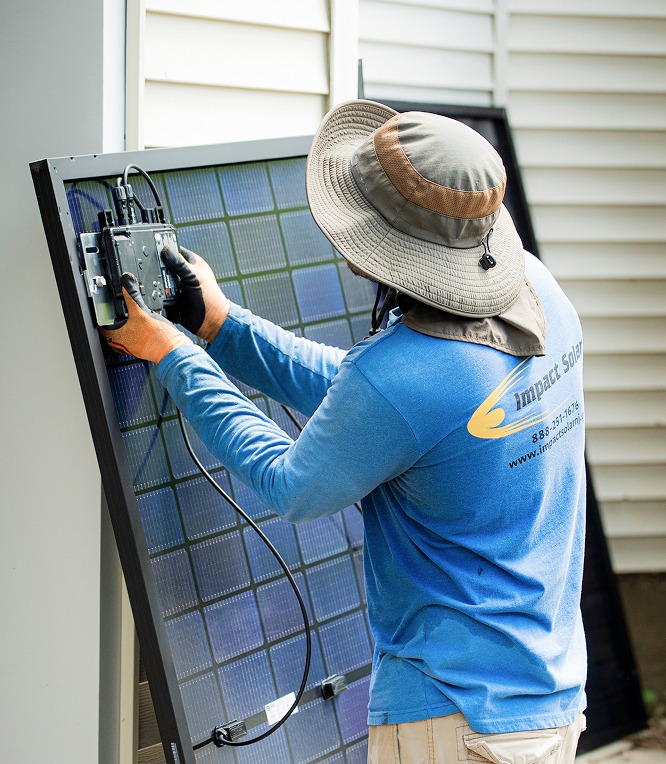
What Shapes the Cost of a Solar Project
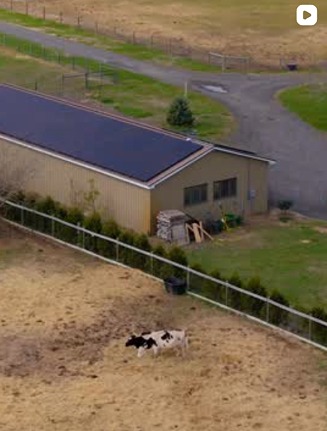
Solar pricing is driven by design complexity as much as by equipment. Two properties can have similar electric bills and still end up with very different project costs if one has a clean, unobstructed roof and the other needs a more customized layout. In Atlantic County, that difference can become even more noticeable when the project involves seasonal occupancy, commercial load patterns, or a site better suited to ground-mounted solar.
Pricing is usually influenced by factors such as:
- How large the system needs to be to match the property’s usage goals
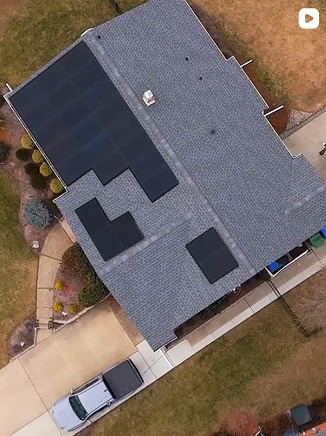
- The roof shape, pitch, and amount of truly usable installation space
- Shade, obstructions, or layout constraints that affect production
- The condition and capacity of the existing electrical service
- The panel model and inverter setup chosen for the design
- Optional features such as battery storage or expanded monitoring
Financing Options That Fit Different Budget Goals
The right financing path depends on what the owner is trying to prioritize. Some want to maximize long-term return by paying outright. Others want a structure that makes the project manageable now without tying up as much cash. We break those options down clearly so the financial side of the project is just as understandable as the installation side.
State-Level Solar Programs That May Improve Overall Value
New Jersey state-level incentive programs can improve the economics of a solar project, but their impact depends on system details and current program rules. During the planning stage, we explain what may apply to the property and how those incentives can change the long-term value of the investment.
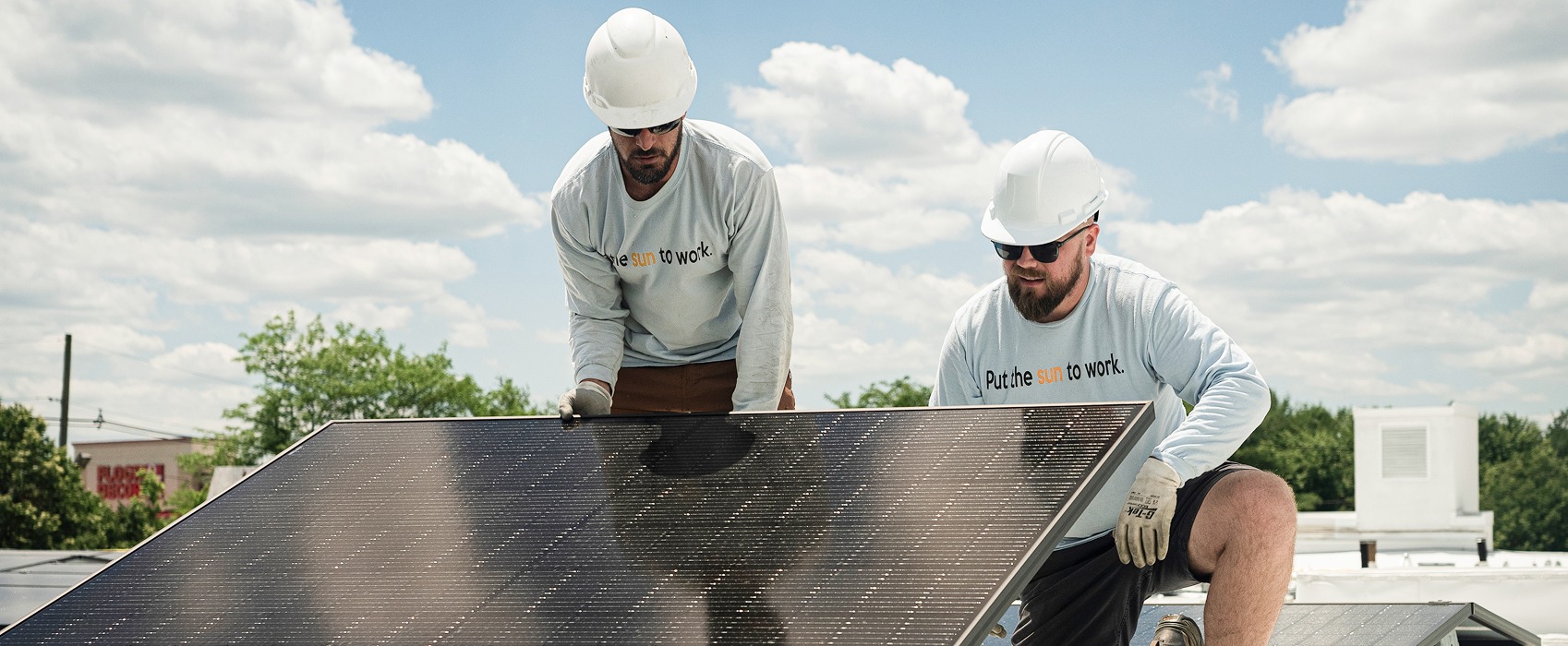
Equipment Configuration, Monitoring Access, and Warranty Coverage
The technical side of the project should be easy to follow before installation begins. Panel choice matters, but so does the way the inverter system is arranged, how production data is viewed, and whether the design leaves room for future expansion.
Your proposal outlines:
- The panel type and model recommended for the property
- The inverter setup based on layout, shading, and production targets
- Monitoring access so system output can be reviewed in real time
- Battery-ready planning where future storage could make sense
- Manufacturer warranties and workmanship coverage that define what is protected over time
Long-Term Performance Support Without the Guesswork
After the system is turned on, visibility still matters. Remote monitoring makes it easier to catch unexpected production changes, spot irregular performance, and review system behavior without relying on guesswork. That kind of oversight is especially useful on properties with changing occupancy patterns and in nearby communities like Hammonton, where one property may be used very differently from the next.
When something needs attention, support is available through our solar repair and support services for:
- Output reviews when production trends shift unexpectedly
- Troubleshooting tied to inverter or electrical performance issues
- Repair work when a component is underperforming or fails
- Panel removal and reinstallation when roofing work has to be done later
If the system is not behaving the way it should, the issue can be reviewed, diagnosed, and addressed with a clearer path to a fix.
Why Property Owners Across Atlantic County Trust Impact Solar
Trust usually comes down to whether the company treats the project like a real design and installation job or like a fast-moving sales transaction. Property owners across Atlantic County tend to value straight answers, realistic expectations, and a team that is still reachable after the paperwork is signed.
Here is why many Atlantic County property owners feel more comfortable moving forward with Impact Solar:
Project recommendations based on site conditions instead of canned proposals
Savings expectations grounded in real usage patterns and system limits
Owner-led oversight that keeps the process more consistent from start to finish
Direct communication rather than multiple sales and service handoffs
Licensed New Jersey installation under NABCEP-certified leadership
Equipment choices made for fit, performance, and long-term reliability
Warranty protection explained clearly before the project moves ahead
Continued support when monitoring, repairs, or roof-related work becomes necessary
What Homeowners Are Saying
Supporting Communities Throughout Atlantic County
- Atlantic County
- Absecon
- Atlantic City
- Brigantine
- Egg Harbor Township
- Galloway Township
- Hamilton Township (Mays Landing)
- Hammonton
- Linwood
- Pleasantville
- Somers Point
Questions That Come Up When Property Owners Start Looking Into Solar
Do solar panels hold up well on properties closer to the shore?
They can, but shore-area properties should not be treated exactly the same as inland installations. Material quality, system design, and installation standards all matter more when the property is exposed to tougher coastal conditions.
Can solar still make sense for a seasonal home that is not occupied year-round?
Yes, as long as the design reflects the way the property is actually used. A seasonal home may not need to be approached the same way as a full-time residence, so sizing and projected savings should be based on annual usage patterns instead of assumptions.
What happens if I need a new roof after solar panels are already installed?
That situation can be addressed. Panels can be removed and reinstalled when roof work becomes necessary, which is why it helps to have post-installation support available from the same company.
Can ground-mounted solar be a better option if roof space is limited?
Sometimes it can. When the roof is constrained by shade, shape, orientation, or limited usable area, a ground-mounted design may create a cleaner path to the production the property needs.
Tired of Letting High Electric Bills Keep Dictating the Budget?
When power costs keep moving in the wrong direction, it gets harder to budget around a building that depends on electricity every day. A solar system that is planned carefully and installed correctly can give the property more control over that expense and less exposure to future rate increases.