Solar Panel Installation in Salem County, NJ
A stronger solar project starts with a design that matches the way the property actually works.
A thoughtful solar project can do more than lower monthly utility bills.
Solar panel installation in Salem County should feel like a practical energy decision built around the property itself, not a prepackaged sales formula. The right project starts with a clear review of how the site is used, what the building or land can support, and what kind of savings the owner wants to create.
We’re Working with





"I am very happy with my experience with Impact Solar." — Real Experiences From Homeowners Who Made the Switch
This whole crew is extremely professional and dedicated to the work they do and amazing customer service. I would have no issues recommending Impact Solar to my own family.
I am 100% satisfied with my decision.
Bijal A

I recently had solar panels installed by Impact Solar, and I cannot recommend them highly enough. From start to finish, the entire process was professional, transparent, and remarkably efficient.
Manu M

Impact Solar was fantastic! I came in knowing exactly what I wanted, and Jeff, Michelle, and Shawn worked with me to customize the perfect design for my needs. I couldn’t be happier and highly recommend them!
Ernesto P

Our experience with Impact Solar LLC was characterized by a consistently high level of professionalism and clear communication from start to finish. We would highly recommend Impact Solar LLC to others.
Stansbury R

Smart Solar Design for Homes, Businesses, and Larger Properties
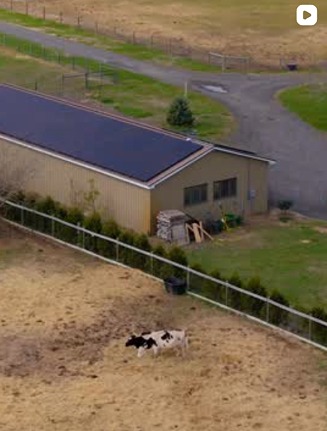
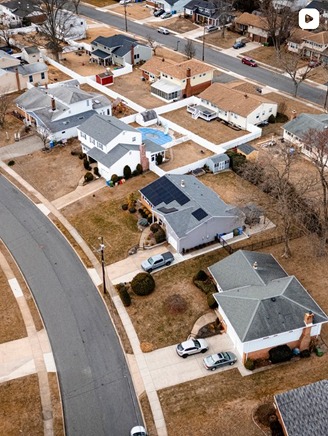
Salem County properties often bring a different set of planning questions to the table than more tightly packed suburban projects. Some sites have open land, detached structures, agricultural-style outbuildings, or a mix of buildings that changes how solar should be approached. Good planning starts by understanding those conditions instead of assuming every project should follow the same layout.
That is one reason the process matters with Impact Solar. Our team stays involved from the first planning conversation through activation, so the project is shaped around the site, the usage pattern, and the owner’s priorities rather than handed off through a chain of sales steps. As a licensed New Jersey installer led by a NABCEP-certified professional, we work with property owners across Salem County and nearby communities like Swedesboro, where property size, building arrangement, and available space can change the best design path.
Our Process
What the Process Looks Like From the First Review to System Activation
01.
Site Evaluation and Energy Usage Review
The first step is understanding the property before talking about equipment. We review the roof, the available sun exposure, the electrical setup, and past usage history to see whether solar is a strong fit.
02.
Custom System Design Built Around the Property
After the evaluation, the design phase turns those site conditions into a workable system plan. Panel layout, production targets, inverter approach, and future flexibility are all shaped around the property itself, whether the better fit is a rooftop design, a layout across multiple structures, or a more open-site solution.
03.
Permits, Utility Coordination, and Approvals
Before installation can begin, the project needs to move through the practical side of the process. We handle permit submission, utility coordination, and approval requirements so the job stays organized.
04.
Solar Panel Installation and Electrical Integration
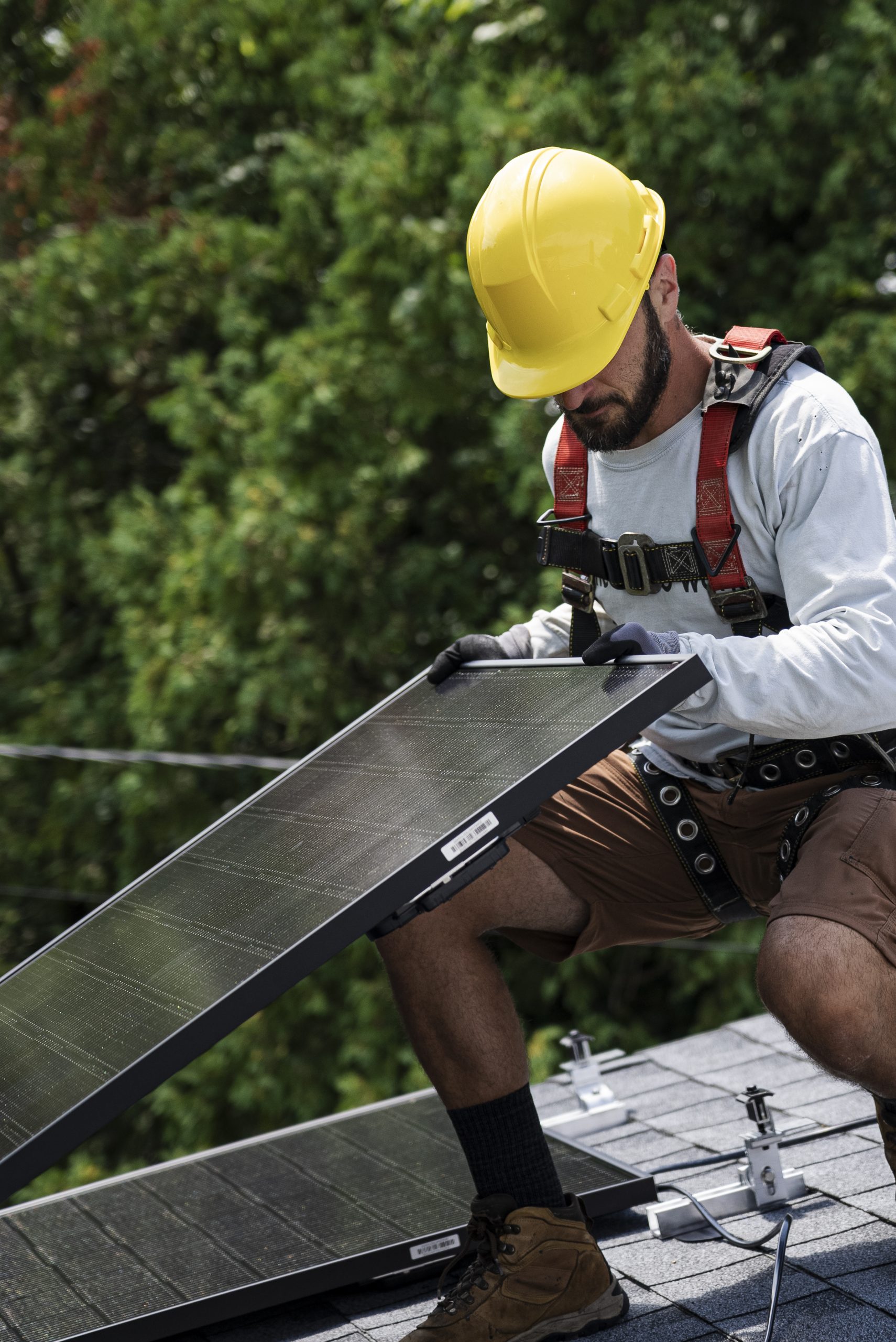
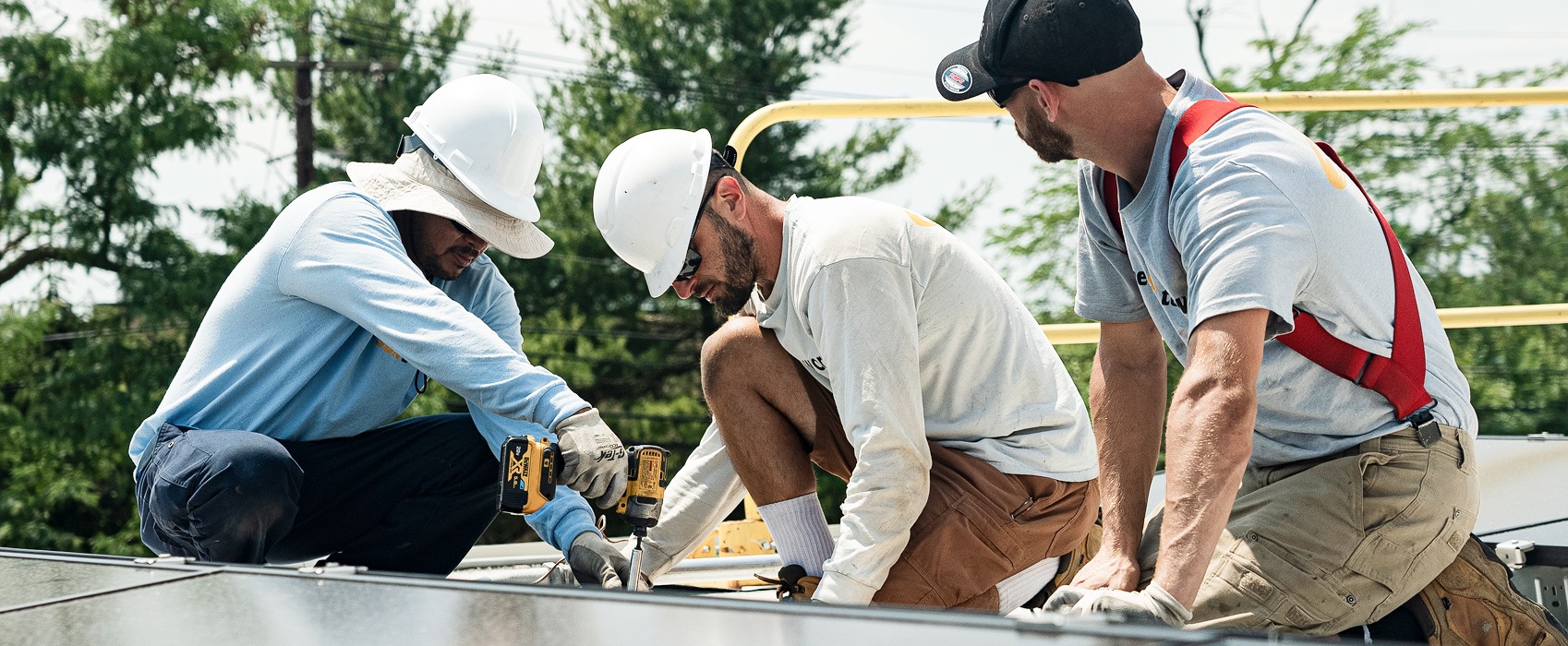
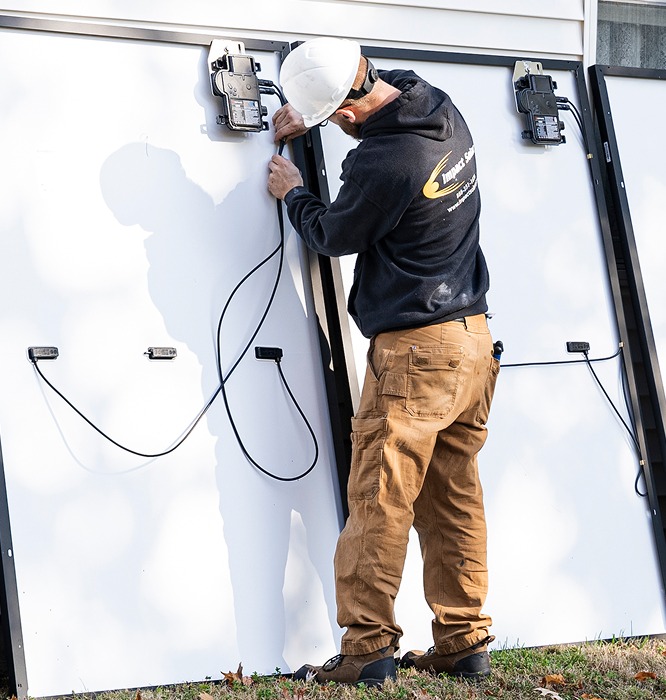
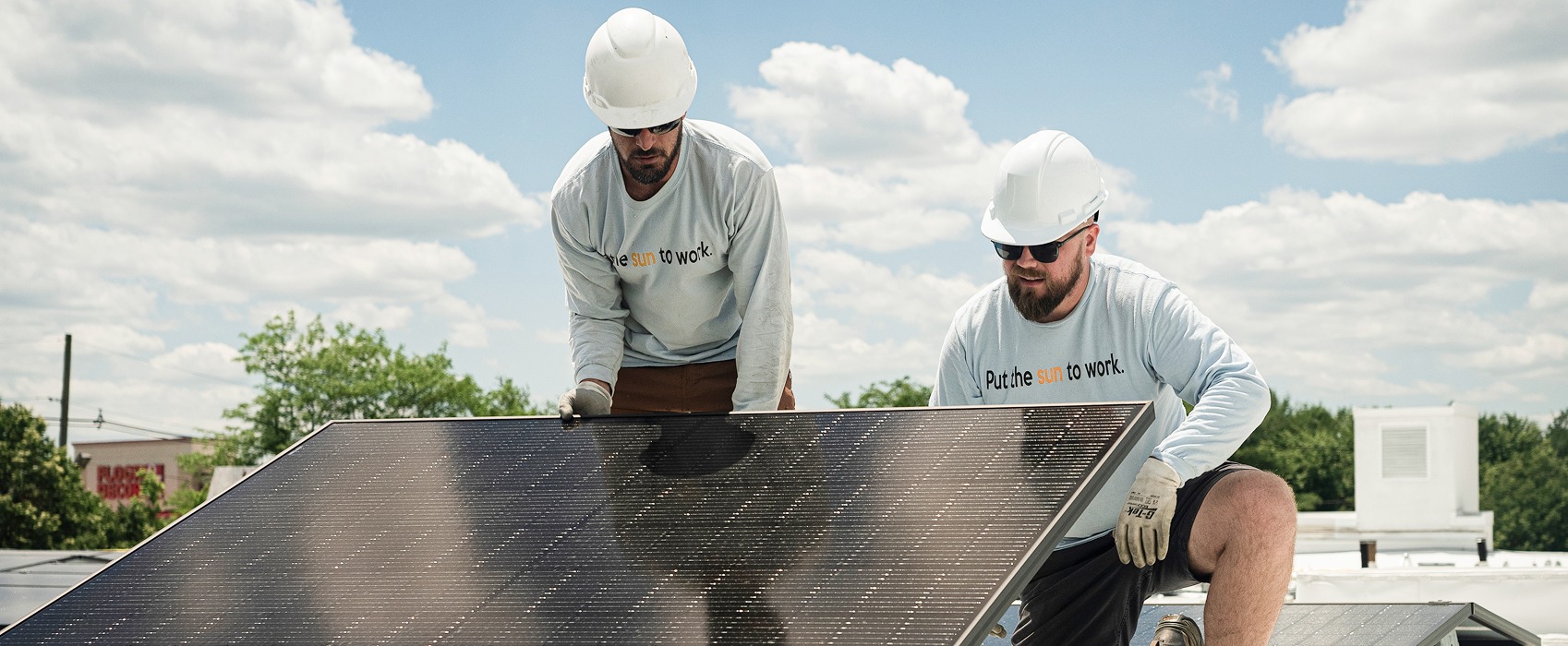
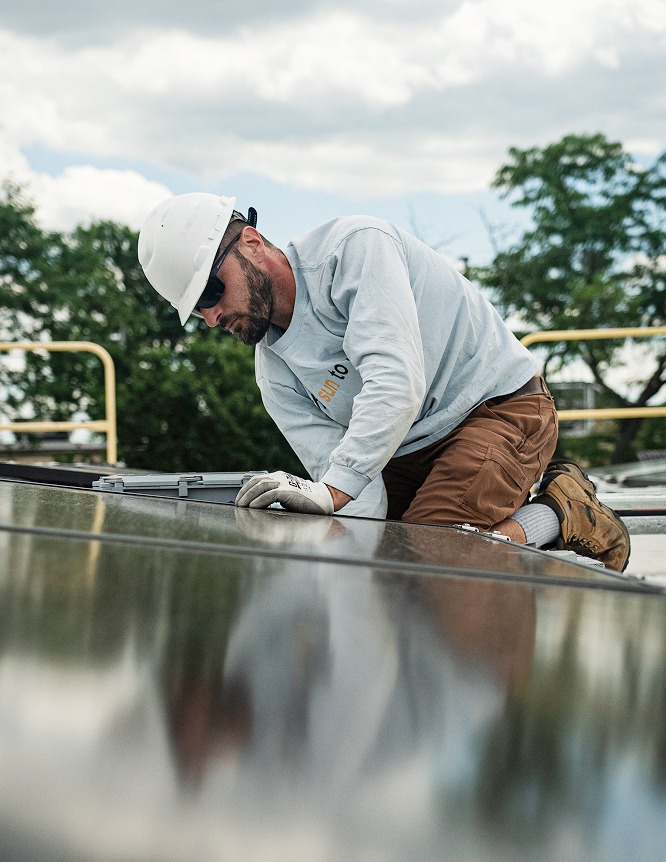
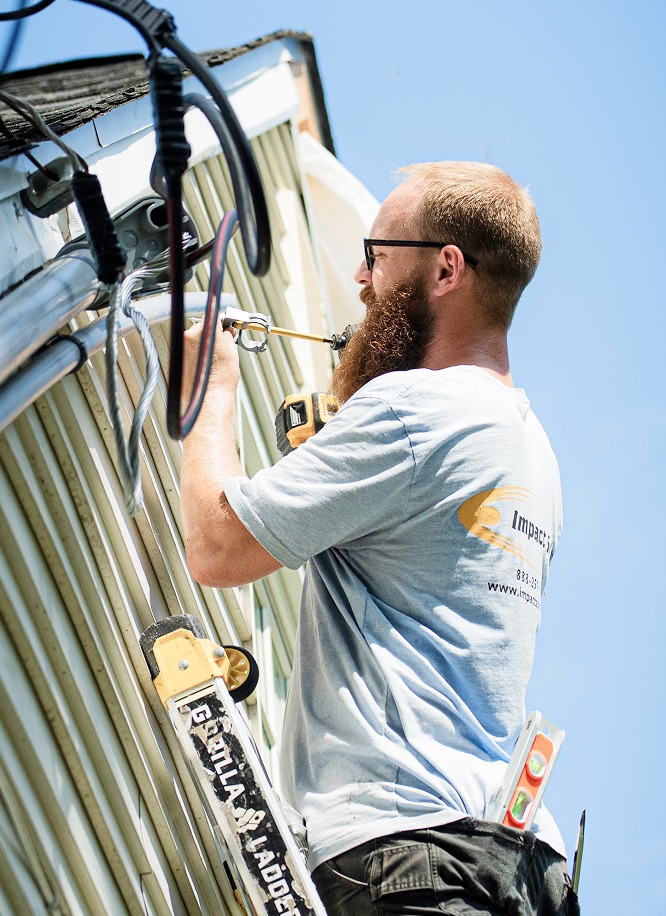
Once approvals are in place, the installation work begins. Our team handles the racking, panel placement, wiring, and electrical integration with close attention to safety, code compliance, and clean workmanship.
05.
Final Inspection and Permission to Operate
The system is not ready to go live until the final inspection is complete and the utility grants permission to operate. After that approval is in place, the system can be activated and begin reducing the amount of electricity the property pulls from the grid.
How Net Metering Can Help Turn Solar Production Into Real Savings
Solar does not have to produce power at the exact moment the property needs it to create value. Once the system is interconnected with the utility, surplus production can move back to the grid and return as bill credits under New Jersey net metering rules. That helps turn strong production periods into long-term savings.
Solar Solutions for Residential and Commercial Properties
The type of property changes the purpose of the solar design. Some owners are looking for a better way to manage household energy costs. Others are trying to bring more control to business overhead or a larger site with more than one active structure. That is why we approach both residential solar needs and commercial solar planning with different priorities.
Residential Solar Installation
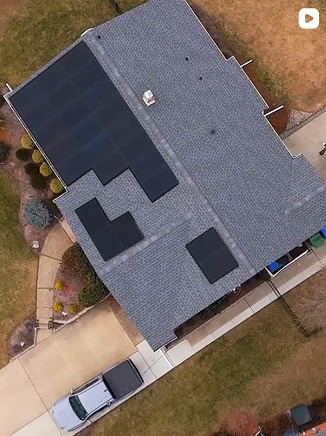
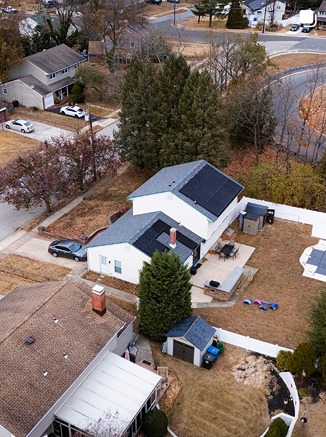
Residential projects are often centered on daily household usage, usable roof space, and how the home is occupied throughout the year. In Salem County, that can also include detached garages, workshops, or additional structures that affect how the system should be planned.
Commercial Solar Installation
Commercial projects are shaped more by operating schedules, daytime demand, and the layout of the property itself. The goal is to make the system work with the way the site functions so it supports operations in a practical way.
What Can Affect the Cost of a Solar Project
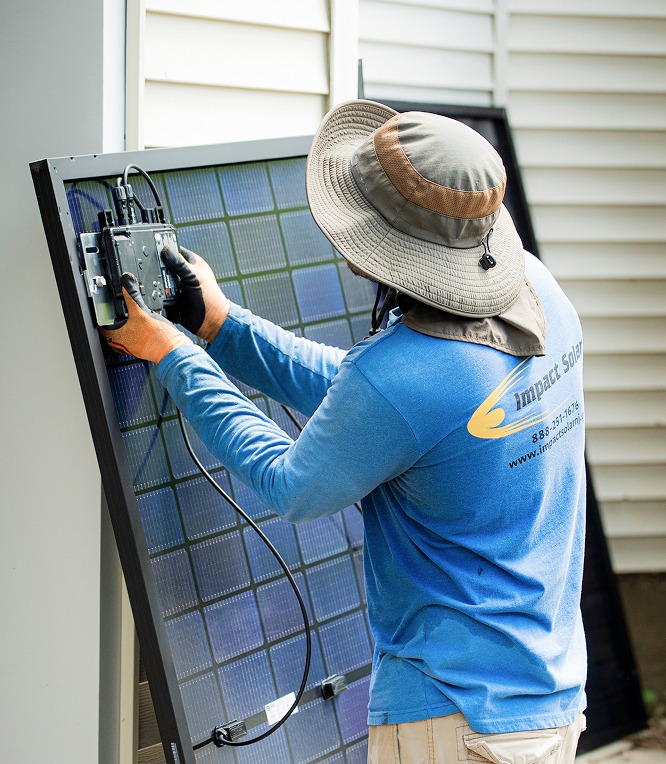
The cost of solar is tied to design complexity as much as equipment count. Two properties with similar electric bills can still require very different project scopes if one has a simple roofline and the other involves multiple buildings, open land, or a layout that needs a more custom approach.
Pricing is usually influenced by factors such as:
- How much of the property’s electricity usage the system is meant to offset
- Roof shape, usable installation space, and site layout
- Shade, obstructions, or structural limitations that affect production
- The existing electrical service and whether upgrades are needed
- The panel model and inverter setup chosen for the design
- Optional additions such as battery storage or expanded monitoring
Financing Options That Support Different Budget Goals
Not every owner is solving for the same financial outcome. Some want the strongest long-term return and prefer to purchase outright. Others want a structure that makes the project easier to start now without tying up as much capital. We walk through those options clearly so the financial side is just as understandable as the installation side.
State-Level Solar Programs That May Improve Long-Term Value
New Jersey state-level incentive programs can improve the long-term economics of a solar project, but their impact depends on the system design and current program rules. During the planning stage, we explain what may apply to the property and how those incentives can affect projected savings and long-term value.
Equipment Setup, Monitoring Access, and Warranty Coverage
The technical side of the project should make sense before installation begins. It is not just a question of panel count. It is also about how the system is configured, how output is tracked, and whether the design leaves room for future needs.
Your proposal outlines:
- The panel type and model recommended for the property
- The inverter setup based on layout, shading, and production goals
- Monitoring access so output can be reviewed in real time
- Battery-ready planning if future storage could make sense later
- Manufacturer warranties and workmanship coverage that explain what is protected over time
Tracking Output and Responding to Performance Issues
Once the system is operating, visibility still matters. Remote monitoring makes it easier to catch unexpected production changes, review unusual system behavior, and respond without guesswork. That kind of oversight is especially useful on larger properties and in nearby areas like Mullica Hill.
When support is needed, our solar repair and support services can help with:
- Output reviews when production trends shift unexpectedly
- Troubleshooting tied to inverter or electrical performance issues
- Repair work when a component underperforms or fails
- Panel removal and reinstallation if roofing work has to happen later
If the system is not behaving the way it should, the issue can be reviewed, diagnosed, and addressed.
Why Property Owners Choose Impact Solar for a Better Solar Experience
Most property owners can tell the difference between a real planning conversation and a sales process dressed up as one. In Salem County, that often matters even more because the layout of the site, the number of structures involved, or the amount of open space can make the project less straightforward than a standard suburban install.
Here is why many Salem County property owners feel more comfortable moving forward with Impact Solar:
Project recommendations based on the site instead of a canned proposal
Savings expectations grounded in real usage patterns and physical constraints
Owner-led oversight that keeps the process more consistent from planning through activation
Direct communication rather than repeated handoffs between sales and service teams
Licensed New Jersey installation under NABCEP-certified leadership
Equipment choices made for fit, performance, and long-term reliability
Warranty protection explained clearly before the project moves ahead
Continued support when monitoring, repairs, or roof-related work becomes necessary
What Homeowners Are Saying
Helping Property Owners Across Salem County and Nearby Communities
- Salem County
- Alloway Township
- Carneys Point Township
- Elmer
- Elsinboro Township
- Lower Alloways Creek Township
- Mannington Township
- Oldmans Township
- Penns Grove
- Pennsville Township
- Pilesgrove Township
- Pittsgrove Township
- Quinton Township
- Salem
- Upper Pittsgrove Township
- Woodstown
Still Weighing the Switch? Start With the Questions That Matter Most
Can solar work well on detached garages, barns, or other accessory buildings?
Yes, in many cases it can. What matters is how the structure is built, how much usable sun exposure it gets, and how it fits into the property’s overall electrical setup.
What if my property has more open land than usable roof space?
That can create additional options. If roof space is limited or poorly positioned, a more open part of the site may be worth evaluating as part of the design strategy.
Are there local permitting or utility steps that can affect the project timeline?
Yes. Project timelines can shift based on permitting, utility review, and approval sequencing, which is why those steps need to be handled carefully from the beginning.
Can I install solar now and leave room to add battery storage later?
Often, yes. Some systems can be planned with future storage in mind so the property owner has more flexibility if energy needs change later.
Stop Letting Unpredictable Electric Bills Chip Away at Your Budget
When electricity costs keep shifting, it becomes harder to plan around one of the property’s most important ongoing expenses. A carefully designed solar system can create more control over that cost and a steadier long-term path forward.